If you have been considering purchasing an electric bed bug heater, you may have heard yourself mumbling … there is just so much information out there, it all seems so confusing, what should I believe, who can I trust …
In this article, we hope to cut through all the hyped-up advertising that you have seen and heard. Remember, buying an electric bed bug heater is not simply a purchase – it is an investment. By engaging the following simple principles when investing in a bed bug heater, we are convinced that you will be happy with the return on your investment – saving hard earned money while getting a quality product.
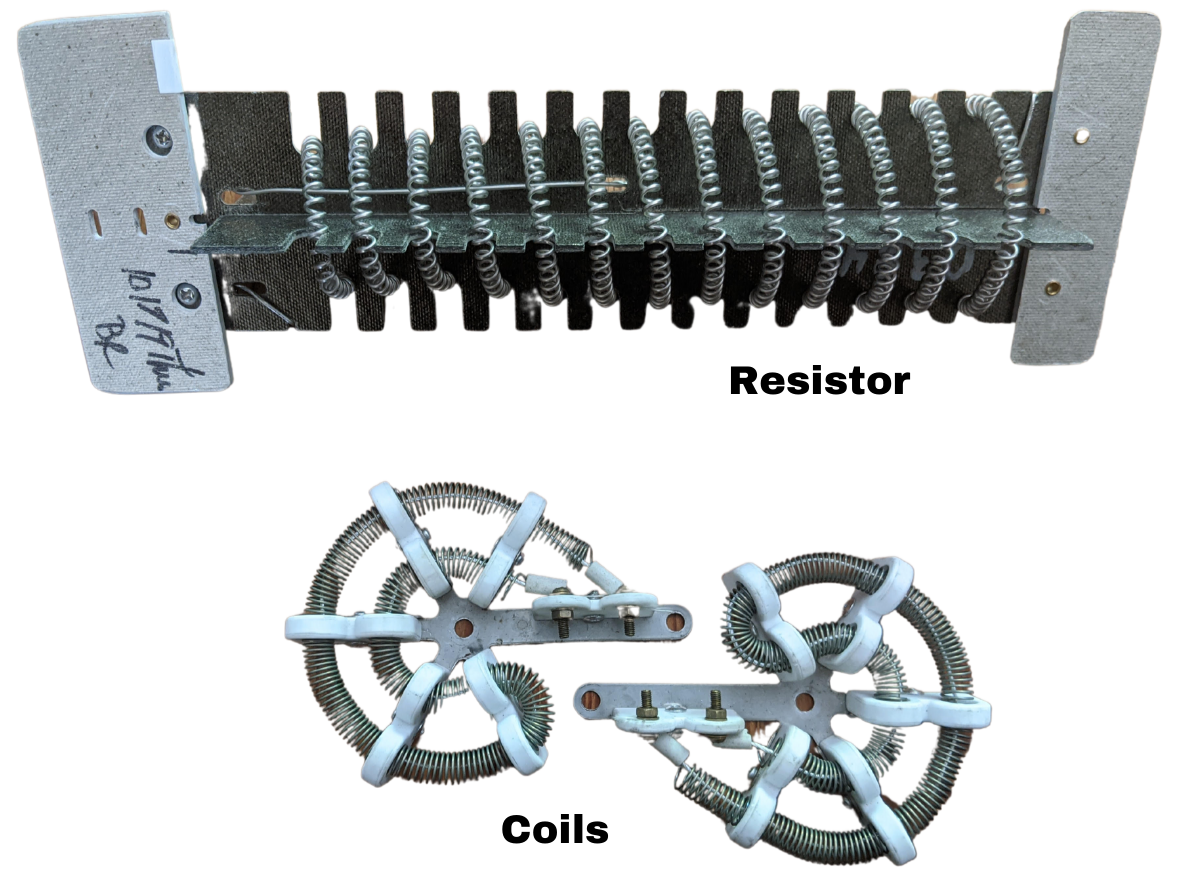
1. Resistors or coils, which one is best?
The element inside a bed bug heater which produces heat will either consist of resistors or coils. A heating coil is a lightweight wire that is stranded in one single row. Pulling heat from these types of elements requires a lot of air movement. Because of this, distributors of heaters manufactured with coils will attempt to promote as many fans as possible. A heating resistor is a rugged heavy wire that is elongated and cone shaped allowing for multiple different touch points. Because of this, less air movement is needed.
2. What about BTU’s?
BTU is an acronym which stands for British Thermal Unit. It is a form of measurement that calculates energy. One single BTU refers to the amount of energy that is required to increase the temperature of a pound of water by 1° Fahrenheit. The most common mistake when buying a bed bug heater is being misled by advertisements of how many square feet a heater may treat as opposed to verifying how many BTU’s the heater produces. Do your homework and verify the BTU’s are in accordance to the square footage that is being claimed.
To calculate BTU’s a simple formula to determine heating needs is: (desired temperature change) x (cubic feet) x .133 = BTU’s needed per hour. A Google search will also render various BTU calculators. There are several variables that must be factored into the equation. You will normally start by measuring the length, width, and height of a room to get the cubic feet. Also, you will need to calculate any heat gain or depletion. Be advised, if your building is concrete or a hollow block construction, you will need to increase the BTU calculation by 35% to compensate for temperature absorption.
For most applications, 26,000 BTU’s will treat up to 350 square feet; 41,000 BTU’s will treat up to 450 square feet; 47,000 will treat up to 600 square feet.
3. What about reputation?
It is important that you take the time to do your homework on the manufacturer of the heater, the distributor of the heater, and the service satisfaction of those who have purchased a heater from a distributor in the past. Check out reviews, check other companies, check with other hotel owners, read third party reviews, Google reviews, and Facebook reviews & comments. As a Best Western brand, you should verify that the distributor which is selling the bed bug heater is an approved vendor.
… the bottom line …
There does seem to be a lot of noise in the marketplace about bed bug heat equipment. However, when you apply the ideas we have just shared, you will find that it is not nearly as confusing as it first seems. You can feel confident in the decision you have made when purchasing an electric bed bug heater.
For additional important things to consider when shopping for an electric bed bug heater, visit our blog.
If you would like to speak with one of our experienced technicians about anything you have just read or additional questions, please contact us at 844-364-3281 or live chat at prevsol.com.